
Initiative
Indigenous Writers Initiative
This initiative brings together First Nations, Pueblos Originarios, and Indigenous writers from across North America. We are proud to launch an initiative celebrating the richness, diversity, and global significance of Indigenous literature and storytelling.
The indigenous writers will chart the course for this initiative, defining its priorities, possibilities, and scope during a retreat in San Miguel. Their vision and ideas will be shared at the 2027 San Miguel Writers’ Conference & Literary Festival, sparking new conversations about the role of indigenous literature in an increasingly interconnected world.

PARTICIPANTS
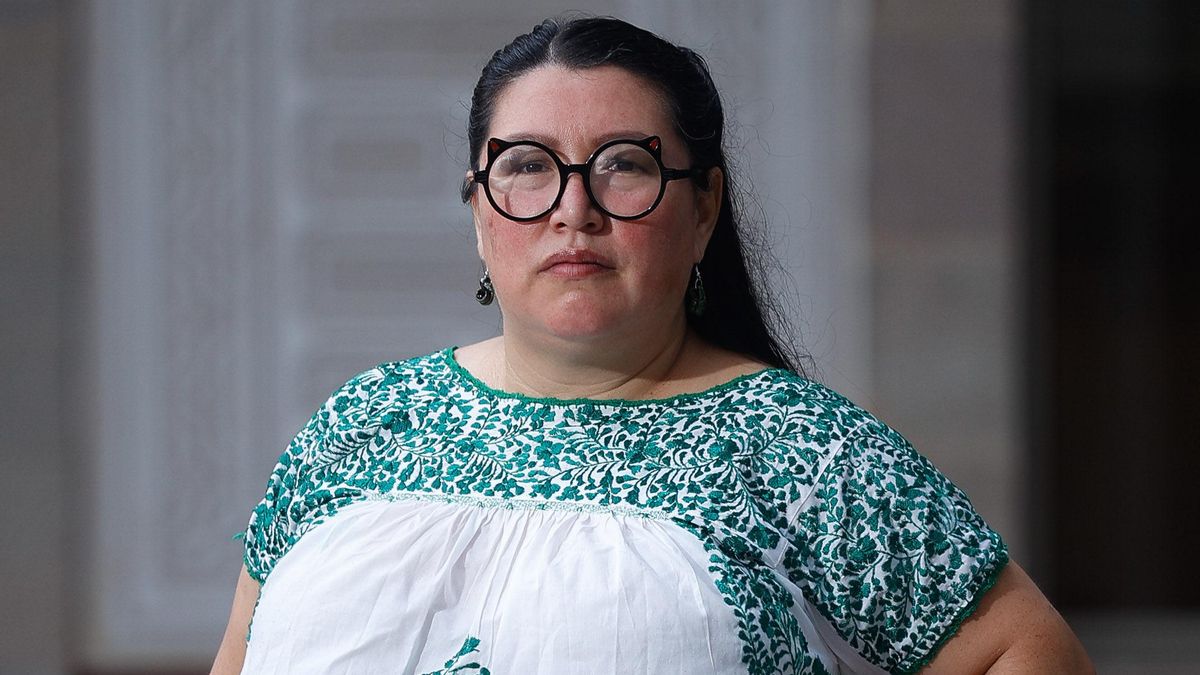
YÁSNAYA ELENA AGUILAR GIL
(Ayutla Mixe, Oaxaca) Aguilar Gil is a writer, linguist, translator, and activist for the linguistic rights of Indigenous people. She writes in Ayuujk (Mixe), Spanish, and English. A member of COLMIX, she holds a bachelor’s degree in Spanish Language and Literature and a master’s degree in Linguistics from the Universidad Nacional Autónoma de México (UNAM). Her work focuses on linguistic diversity, the rights of Indigenous people, and the relationships between language, territory, and power. She is the author of Ää: Manifestos on Linguistic Diversity, translated into English as This Mouth Is Mine, and Un nosotrxs sin Estado. She also contributes regularly to publications such as El País, Letras Libres y Nexos, where she publishes essays and reflective pieces on culture, politics, and Indigenous languages.
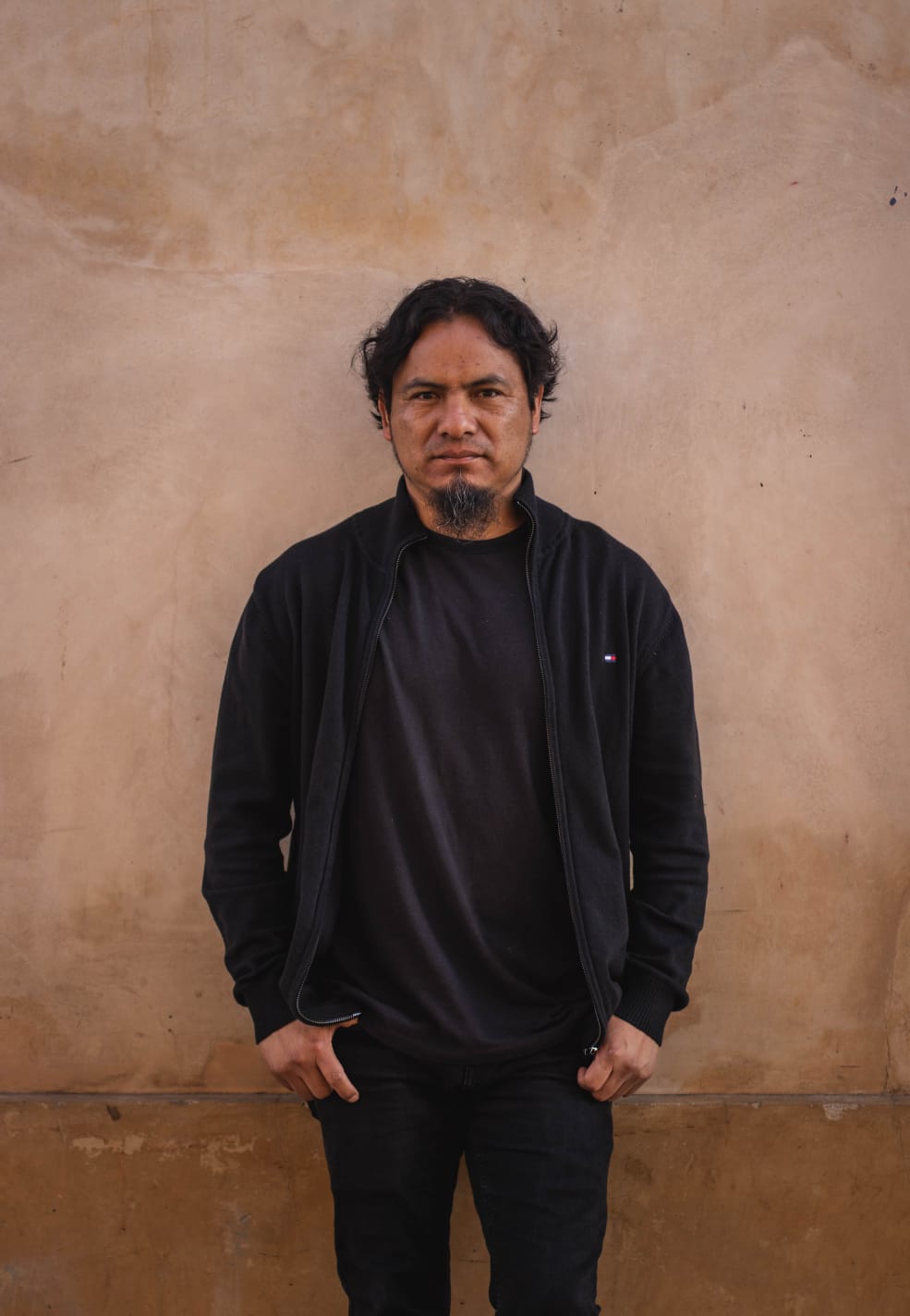
MIKEL RUIZ
(Chamula, Chiapas, México, 1985) Ruiz is a Tsotsil writer; he holds a Ph.D. in Social and Humanistic Sciences and a master’s degree in Contemporary Latin American Literature. He has published the books Incensarios {ensayos}. Una compilación personal (2025), Sk’ak’alil ayan li ak’obale / The Origin of the Night (2025), Snak’obal ch’ulelal / The Disguises of Death (2024, 2025), The Wrath of the Bats (2021, 2026), and Ch’ayemal nich’nabiletik / The Wandering Children (2014, 2023). He edited the anthology Yayijemal ts’ibetik / Stories with Scars (2023). He teaches creative writing workshops in the Tsotsil language. He received the 2023 Premio Nezahualcóyotl de Literatura en Lenguas Mexicanas. He was a member of the Sistema Nacional de Creadores de Arte (SNCA) and the Center for Literary Arts at the Borchard Foundation.
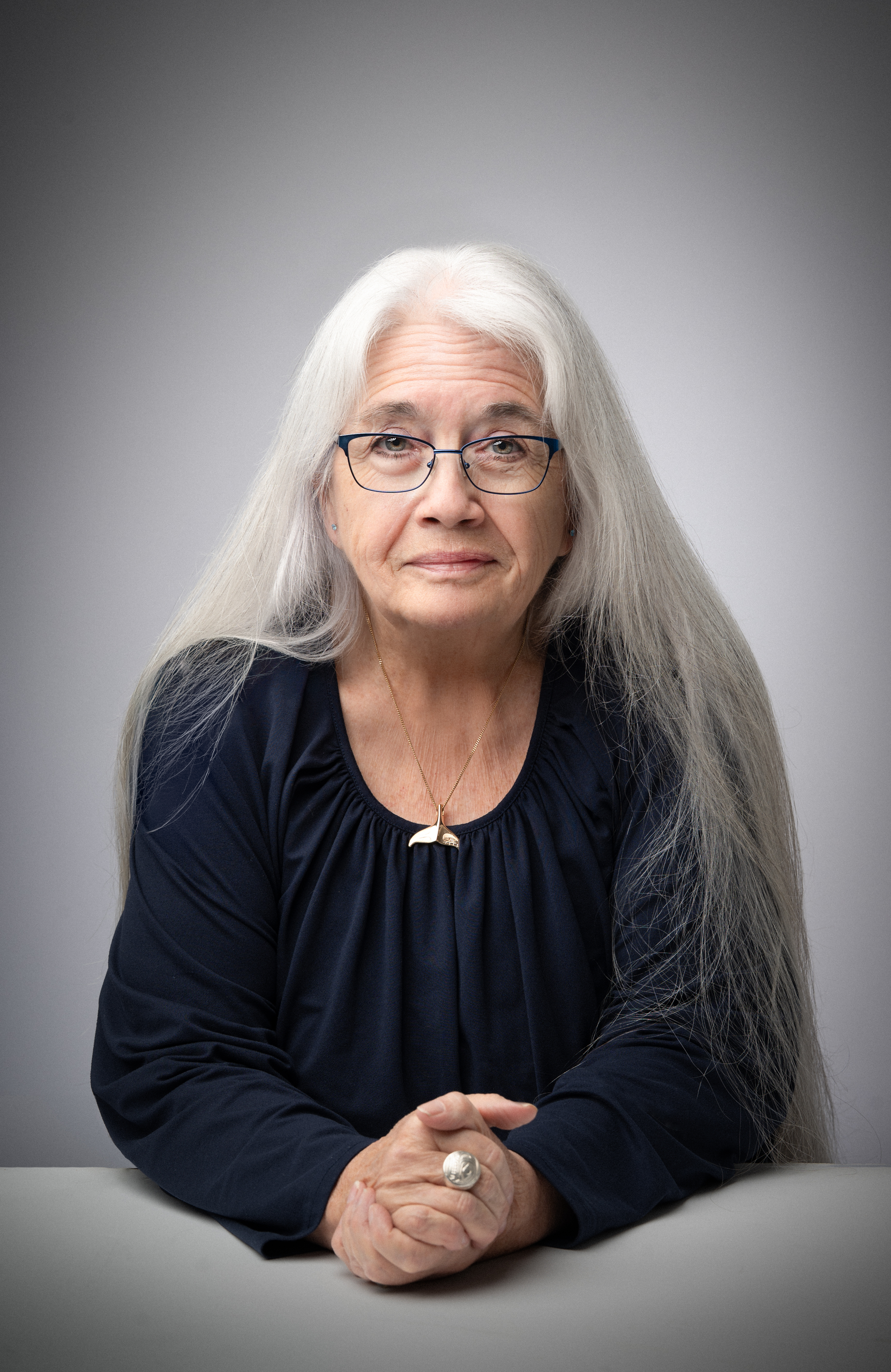
MICHELLE GOOD
Good is an award-winning writer and member of the Red Pheasant Cree Nation in Saskatchewan, whose work explores Indigenous history, justice, and reconciliation. A lawyer and longtime advocate for survivors of Canada’s Indigenous residential school system, she is the author of the acclaimed novel Five Little Indians, winner of the Governor General’s Literary Award for Fiction and the Amazon Canada First Novel Award, and a finalist for the Giller Prize. Her writing celebrates the resilience, strength, and enduring stories of Indigenous communities.
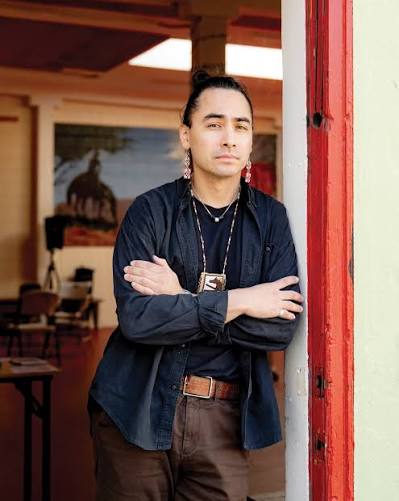
JULIAN BRAVE NOISECAT
NoiseCat is a writer, filmmaker, champion powwow dancer, and student of Salish art and history. A member of the Canim Lake Band Tsq’escen, NoiseCat’s first book, We Survived the Night, a national bestseller in Canada and indie bestseller in the United States, was published by Random House Canada, Alfred A. Knopf, and Profile Books in English as well as Aufbau Verlag in German with translations forthcoming in French, Italian, and Spanish. The book was a finalist for the PEN/John Kenneth Galbraith Award for Nonfiction, the Indies Choice Book Award for Debut Adult titles, and the Washington State Book Award for Creative Nonfiction. It won the Hubert Evans Non-Fiction Prize from the BC and Yukon Book Prizes as well as the Tadeusz Bradecki Prize for an imaginative work published in English. We Survived the Night is also currently a finalist for the Hilary Weston Writers’ Trust Prize for Nonfiction, the largest literary award for Canadian nonfiction. NoiseCat’s first documentary, Sugarcane, directed alongside Emily Kassie, premiered at the Sundance Film Festival where it won the Directing Award in the U.S. Documentary Competition. The film was recognized with over 50 honours including Best Documentary from the National Board of Review and was nominated for an Academy Award making NoiseCat the first Indigenous North American filmmaker ever nominated for an Oscar. Julian resides on Kitsilano Indian Reserve No. 6 with his partner and their son.
NADIA RODRÍGUEZ-DÄZABI
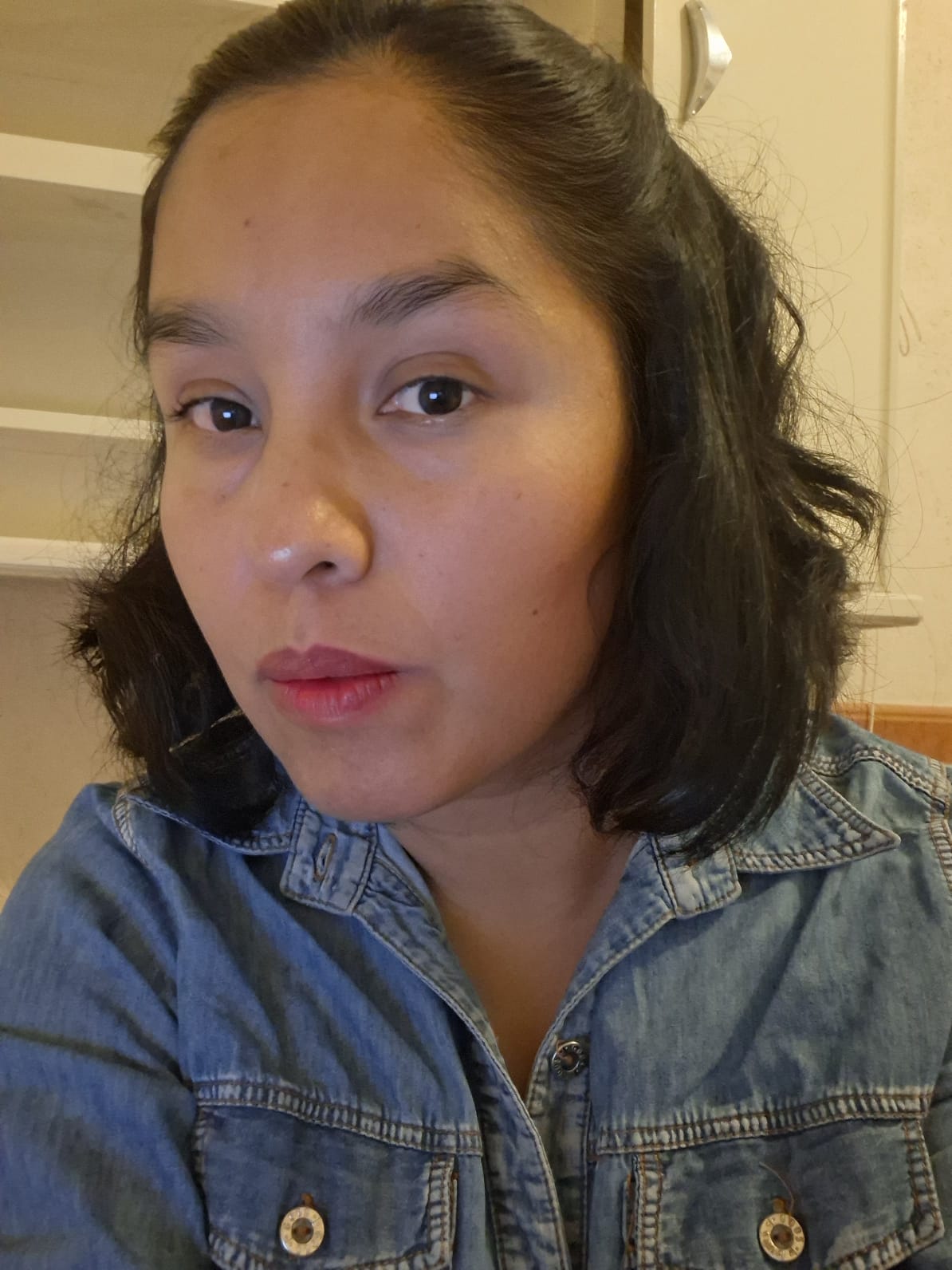
Rodríguez-Däzabi was born in 1984 in the Otomí Indigenous Congregation of San Ildefonso de Cieneguilla, Tierra Blanca, Guanajuato. She began her teaching career in 2009 at CONAFE, working in early childhood education, and since 2010 has served as a secondary school teacher with the SEG in various municipalities across the region. In 2019 and 2020, she furthered her education by completing a certificate program in Hñäñho Language and Grammar at the UAQ. Her cultural work is extensive and ongoing. She participates as a dancer and musician in traditional “Rayados” dance, in addition to performing pieces in Hñäñho linked to her community’s identity. She has ventured into literary creation through poetry and short stories in her indigenous language, with texts published in Letragrafías. Donde las ranas cantan (2022) and broadcast on Radio Educación (2023). Her poem “Tus manos” appeared in the online magazine Mirada, palabra, poesía (2020). She currently serves as a traditional authority and is a member of the patron saint festival committee. She is also a volunteer reading mediator at the “Ne dí ndoni” reading room, which is part of the Programa Nacional de Salas de Lectura, and participates in the Indigenous Peoples’ Assembly, where she shares experiences in reading mediation in indigenous languages with representatives from various regions México.
DAVID A. ROBERTSON
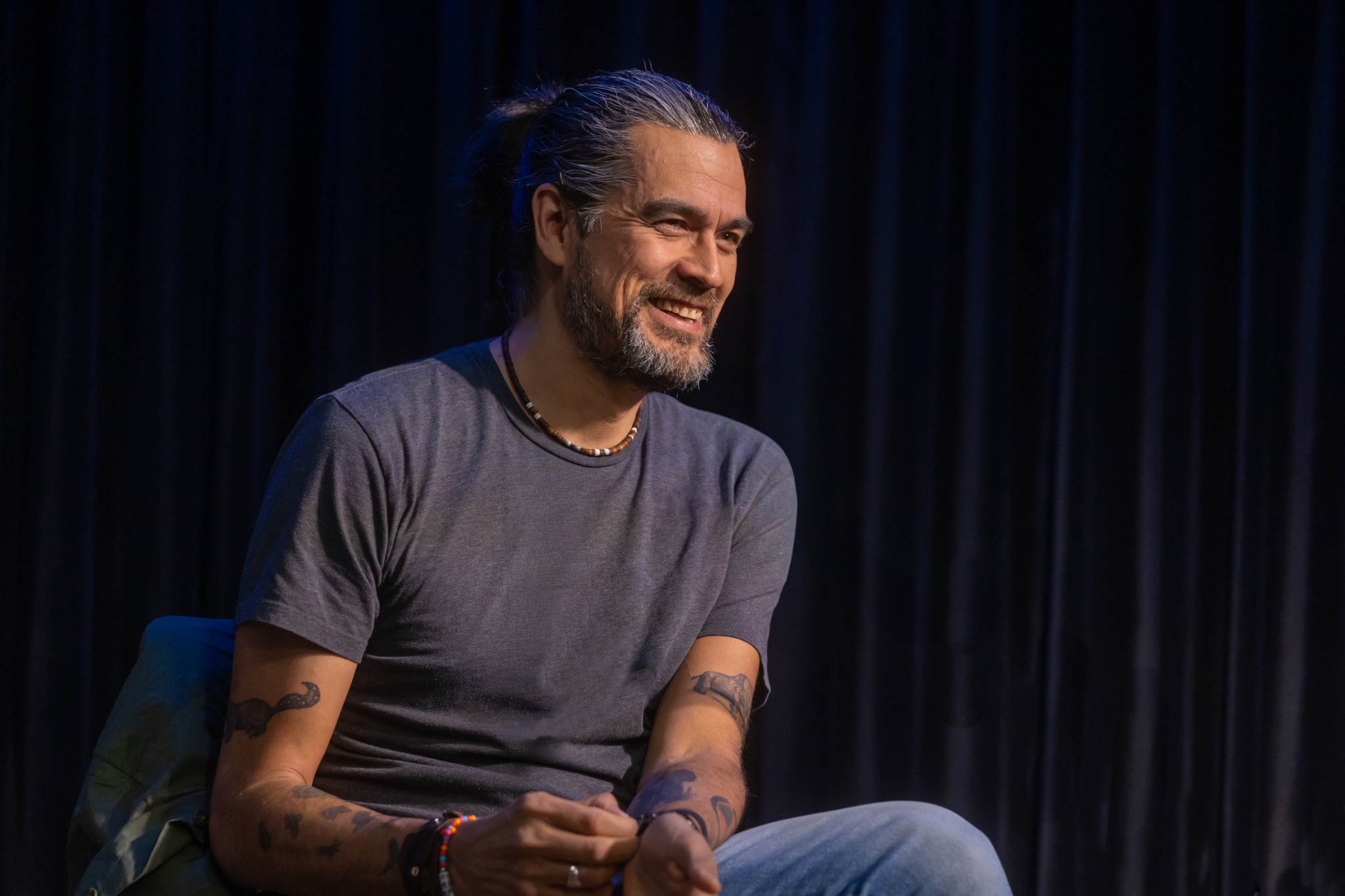
Robertson is a two-time Governor General’s Literary Award winner and recipient of the TD Canadian Children’s Literature Award and the Writers’ Union of Canada Freedom to Read Award. He was Canada’s author nominee for the 2026 Hans Christian Andersen Award and was named The Globe and Mail’s Children’s Storyteller of the Year in 2021. He writes for children and adults and is a podcaster, public speaker, and social advocate. He received an honorary Doctor of Letters from the University of Manitoba in 2023 and honorary Doctor of Laws degrees from the University of Lethbridge in 2025 and Queen’s University in 2026. He is a member of Norway House Cree Nation and lives in Winnipeg.